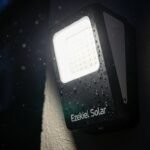
Introduction to Solar Lighting Systems
Solar lighting systems encompass a range of outdoor lighting solutions powered by solar energy, tapping into the sun’s renewable resources to illuminate spaces effectively. These systems consist of LED light fixtures, solar panels, batteries, and intricate electronic control systems. During the day, solar panels convert sunlight into electricity, which is stored in batteries and used to power LED lights at night. This self-sustaining mechanism eliminates reliance on traditional electricity grids, making solar lighting a versatile choice for numerous applications.
In the context of emergency response, disaster relief, and humanitarian aid, solar lighting systems have gained significant prominence. Natural disasters often result in widespread power outages, leaving communities vulnerable during critical times. The use of solar lights becomes crucial as they provide immediate illumination for rescue operations, medical facilities, and shelters, ensuring safety and security in chaotic environments. According to a report by the United Nations, more than 1.4 billion people globally lack access to electricity, highlighting the potential of solar lighting systems to address such needs effectively.
Statistics illustrate their growing importance: during disaster scenarios, solar-powered lighting solutions can be deployed quickly and require minimal setup, thus maintaining operational continuity. Additionally, research shows that areas with solar lighting experience a 70% decrease in crime rates during nighttime, underscoring the systems’ role in enhancing safety. Furthermore, solar lights are not only beneficial in unserved areas but also adaptable to various climates and conditions, ranging from arid deserts to flood-prone regions.
Given the escalating impacts of climate change, the need for sustainable and reliable energy solutions is more pressing than ever. Solar lighting systems stand as a beacon of innovation and resilience, capable of transforming emergency responses and humanitarian efforts in a world increasingly dependent on efficient resource management.
The Importance of Lighting in Disaster Relief Scenarios
In disaster relief scenarios, the role of lighting cannot be overstated. When an unexpected catastrophe strikes, be it a natural disaster like an earthquake, flood, or hurricane, the need for efficient lighting becomes vital to ensuring the safety and security of both first responders and affected populations. Effective lighting facilitates various rescue operations, enabling emergency personnel to locate survivors, assess damage, and manage resources appropriately.
During night-time operations, the absence of adequate lighting poses serious risks. First responders often work under immense pressure and must navigate hazardous conditions that can range from unstable structures to steep terrain. Without proper illumination, their ability to conduct effective assessments and rescues diminishes significantly, increasing the likelihood of injuries and hindering access to those in need. Moreover, inadequate visibility can lead to confusion and miscommunication among rescue teams, further complicating response efforts.
For the affected populations, lighting is equally essential. It not only enhances safety by deterring potential criminal activities during vulnerable times but also helps to maintain order in chaotic environments. The availability of light can provide a sense of normalcy and comfort, allowing displaced individuals to move freely and safely, especially in camps where they may be living temporarily in the aftermath of a disaster. Furthermore, appropriate lighting plays a crucial role in guiding medical teams and delivering supplies, ensuring that aid reaches those who need it most.
Thus, the integration of effective solar lighting systems within disaster relief strategies is critical. These systems not only reduce dependency on non-renewable energy sources but also guarantee illumination in remote or affected areas where traditional power supplies may be disrupted. Prioritizing lighting in these scenarios ultimately enhances overall operational efficiency while safeguarding lives.
Advantages of Solar Lighting Systems
Solar lighting systems offer numerous advantages that make them indispensable in emergency response, disaster relief, and humanitarian aid situations. One of the primary benefits of solar-powered lighting is its sustainability. Unlike traditional lighting systems that rely on fossil fuels or grid power, solar lights harness energy from the sun. This renewable energy source allows for continuous operation without depleting finite resources, making solar lights an eco-friendly alternative.
Another notable advantage of solar lighting systems is their ease of transportation. These units are typically lightweight and compact, allowing them to be easily deployed to areas affected by crises. Unlike traditional lighting solutions, which may require extensive electrical installations and infrastructure, solar lights can be transported effortlessly to remote and disaster-stricken regions. This portability ensures that affected communities receive immediate assistance without delays caused by logistical challenges.
Furthermore, solar lighting systems come with low maintenance requirements. Once installed, they often function effectively with minimal oversight. Traditional lighting systems can be prone to failures needing routine maintenance or repairs, particularly in harsh conditions. In contrast, solar lights, equipped with durable materials and self-sustaining energy, greatly reduce the need for ongoing maintenance, allowing humanitarian organizations to concentrate their efforts and resources on addressing immediate needs.
Additionally, solar lighting solutions are cost-effective. While the initial investment in solar technology may be higher than conventional lighting systems, the long-term savings on energy costs and maintenance expenses make them more economical. As they do not rely on fuel or electricity from a grid, the operational costs remain low, enabling more resources to be allocated to other essential services in times of crisis.
Case Studies: Successful Implementation of Solar Lighting
In recent years, numerous disaster relief efforts have successfully integrated solar lighting systems, showcasing their critical role in enhancing safety, improving operational efficiencies, and aiding recovery efforts during emergencies. One notable example occurred in the aftermath of Hurricane Maria, which devastated Puerto Rico in 2017. With widespread power outages affecting millions, various humanitarian organizations deployed solar lighting solutions to shelters and community centers. These systems not only provided essential illumination but also increased the overall sense of security for displaced individuals, allowing them to access critical services during the night.
Another compelling case is found in the response to the 2015 earthquake in Nepal. In remote villages that remained cut off from electricity for extended periods, solar-powered lights were swiftly distributed through non-governmental organizations. The introduction of solar lighting significantly improved conditions for both health workers and local residents, facilitating medical care in poorly lit environments and fostering a more hospitable atmosphere for recovery initiatives. The solar lights were easy to install and required minimal training, which accelerated the recovery timeline and reduced operational costs typically associated with conventional lighting solutions.
Moreover, during the ongoing refugee crisis, solar lighting systems have been successfully implemented in camps across various regions, including the Rohingya refugee camps in Bangladesh. Solar-powered lanterns not only illuminate pathways—enhancing safety for women and children—but also reduce reliance on costly and hazardous kerosene lanterns, which pose both fire and health risks. As these case studies illustrate, solar lighting systems serve as crucial tools in disaster relief contexts, offering practical solutions that yield substantial improvements in safety, cost efficiency, and accelerated recovery. The evidence underscores the need for further investment and integration of solar technologies into future humanitarian efforts.
Challenges and Limitations of Solar Lighting in Emergencies
Despite the numerous advantages solar lighting systems can provide during emergency response scenarios, several challenges and limitations hinder their widespread deployment. One of the main obstacles is the initial procurement costs associated with solar technology. While the long-term savings of using solar energy can be significant, the upfront investment required for purchasing solar lighting systems can be substantial. This financial burden may deter humanitarian organizations from quickly acquiring the necessary equipment to respond to immediate needs in disaster-affected areas.
Technological hurdles also pose significant challenges for the implementation of solar lighting systems. In many cases, the reliability and performance of these systems can vary based on factors such as weather conditions, geographical location, and system durability. Solar lights must be engineered to withstand adverse weather conditions, which can be a limiting factor in harsh environments. Furthermore, the performance of solar lighting is heavily dependent on adequate sunlight exposure, which may not always be guaranteed in disaster scenarios, such as those that involve prolonged cloud cover or heavy rainfall.
Logistical issues regarding the delivery of solar lighting systems to remote or inaccessible locations further compound these challenges. After a disaster strikes, transportation networks may be disrupted, hindering the swift deployment of humanitarian aid. Ensuring that solar lights reach affected populations can be complicated by damaged infrastructure, security concerns, and the need to coordinate between multiple agencies and organizations. These logistical hurdles can ultimately delay the impact of solar lighting systems in reducing hazards caused by darkness in emergency situations.
In consideration of these factors, it becomes evident that while solar lighting systems hold promise for enhancing emergency response efforts, careful planning and resource allocation are essential to address these challenges effectively.
Integration with Other Emergency Response Tools
In today’s complex emergency response environment, the ability to seamlessly integrate various tools and technologies is vital for enhancing the effectiveness of humanitarian aid operations. Solar lighting systems play a pivotal role in this integration, offering reliable illumination during nighttime operations while complementing other emergency response tools. The synchronization between solar lights and technologies such as solar chargers, communication radios, and mobile devices significantly enhances the operational capabilities of response teams.
One of the primary advantages of solar lighting systems is their ability to enhance visibility, which is crucial for the effective functioning of emergency services in dark environments. When integrated with solar chargers, these lighting solutions ensure that essential devices remain powered, facilitating continuous communication between emergency responders. This synergy is particularly beneficial in disaster-stricken areas where grid electricity is often unavailable, rendering conventional lighting solutions impractical.
Moreover, solar lighting systems can be briefed on the operational needs of other tools. For instance, when paired with portable radios, solar lights can create a safer space for communication, allowing for effective coordination among team members. The presence of adequate lighting can reduce risks associated with navigating dangerous terrains and interacting with affected populations, thereby increasing the overall efficiency of the response.
Furthermore, mobile devices used in disaster relief can serve as a communication bridge to coordinate resource movements and gather real-time data on ground situations. Integrating solar lighting with mobile technologies helps maintain connectivity even in remote areas lacking power infrastructure. As relief workers utilize these technologies, solar lighting becomes an essential component that not only provides illumination but also contributes to a comprehensive emergency response strategy.
Future Trends in Solar Lighting Technology
The landscape of solar lighting technology is evolving rapidly, presenting innovative solutions that are poised to significantly enhance emergency response and humanitarian efforts. One of the most promising developments is the advancement in battery technology. New materials, such as lithium-sulfur batteries, offer higher energy density and longevity, allowing solar lighting systems to operate for extended periods even in off-grid situations. These advancements ensure that during critical moments—such as natural disasters or humanitarian crises—efficient and reliable lighting is available, prioritizing safety and operational efficacy.
Moreover, the introduction of smart solar lighting solutions is transforming the way these systems are utilized in emergency scenarios. Smart solar lights equipped with sensors can automatically adjust brightness based on environmental light levels, thereby conserving battery life while providing adequate illumination. These solutions can integrate with AI technology, enabling real-time monitoring and data collection, which can significantly improve the coordination and management of disaster response efforts.
Portable solar lighting units are also gaining traction, especially in remote or under-resourced areas. These units are designed for quick deployment and can be easily transported to regions in need. Innovations such as foldable solar panels and lightweight materials are making it feasible to carry robust solar lighting solutions in backpacks, ensuring lights can be readily available in disaster-hit zones or humanitarian camps. The increased portability enhances operational versatility, allowing aid workers to set up lighting in various temporary shelters or on-the-ground locations.
Overall, the future of solar lighting technology encompasses powerful advancements in battery efficiency, smart features, and portability. These innovations stand to improve the effectiveness of solar lighting systems in emergency response and disaster relief contexts, ultimately serving the logistical challenges faced by humanitarian organizations.
Best Practices for Implementing Solar Lighting in Humanitarian Aid
Implementing solar lighting systems in humanitarian aid requires a systematic approach that takes into account various factors to ensure effectiveness and sustainability. The initial step involves conducting a thorough site assessment. This includes evaluating the geographical location, prevailing weather conditions, and the specific needs of the affected communities. Understanding environmental challenges such as solar exposure can impact the efficiency of solar lighting systems. Additionally, assessing infrastructure availability and existing energy resources is vital to determine the suitability of solar solutions in various contexts.
Stakeholder engagement is another critical practice when introducing solar lighting in disaster relief efforts. Involving local authorities, non-governmental organizations (NGOs), and community leaders facilitates a collaborative approach, building trust and ensuring that the solutions provided are culturally and socially appropriate. Gathering input from these stakeholders can help identify priority areas where solar lighting systems can be most beneficial, fostering a sense of ownership among those impacted.
Furthermore, community involvement is paramount. Engaging local populations in the planning and implementation processes helps tailor approaches to their specific needs. Training local individuals on the maintenance and operation of solar lighting systems not only empowers communities but also promotes long-term sustainability. By developing a training program, organizations can ensure that local residents possess the skills necessary to handle basic repairs and upkeep, reducing dependency on external assistance.
Finally, it is essential to monitor and evaluate the implemented solar lighting systems regularly. Continuous assessments can provide valuable feedback on functionality and community satisfaction, enabling organizations to make necessary adjustments and improvements. By incorporating these best practices, humanitarian organizations can effectively integrate solar lighting systems into their disaster relief efforts, significantly enhancing safety and quality of life for affected populations.
Conclusion: The Path Forward for Solar Lighting in Crisis Management
In reviewing the integral role that solar lighting systems play in emergency response, disaster relief, and humanitarian aid, it is evident that these sustainable solutions significantly enhance the efficacy of operations in crisis situations. Solar lighting systems not only provide essential illumination but also help ensure the safety and security of affected populations. The reliance on conventional lighting sources in disaster scenarios can lead to logistical challenges, increased costs, and environmental concerns, which solar solutions effectively mitigate.
Furthermore, the adaptability of solar lighting technologies to diverse environments—from remote villages to urban disaster zones—positions them as a vital component in the toolbox for humanitarian efforts. These systems can be deployed quickly, are easy to install, and often require minimal ongoing maintenance, making them ideal for urgent situations. As powered by renewable energy, solar lighting helps reduce dependency on fossil fuels, aligns with global sustainability goals, and contributes to a more resilient infrastructure in the face of future emergencies.
It is crucial for stakeholders, including governments, non-governmental organizations, and the private sector, to prioritize investment and research into solar lighting technologies. This commitment will drive innovation, improve access to these systems in vulnerable areas, and ultimately enhance the humanitarian response framework. The path forward for solar lighting in crisis management is not just about providing light; it represents an opportunity to improve overall humanitarian assistance through efficiency and sustainability.
In summary, embracing solar lighting technology is essential for strengthening emergency response capabilities and disaster relief efforts across the globe. As we advance, continued collaboration and investment in renewable energy solutions will pave the way for a brighter, safer future in humanitarian aid.