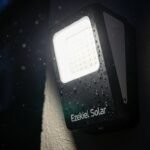
Understanding Solar Lighting Systems
Solar lighting systems utilize the abundant energy of the sun to provide illumination in both residential and commercial spaces. These systems work by converting sunlight into electricity, thus enabling efficient and sustainable lighting solutions. The fundamental components of a solar lighting system include solar panels, batteries, LED lights, and controllers, each playing a crucial role in ensuring optimal performance.
Solar panels, usually made from silicon, capture sunlight during the day and convert it into direct current (DC) electricity through the photovoltaic effect. This electricity is then stored in batteries, ensuring that the system remains functional even after the sun sets. Batteries are an integral part of solar lighting, as they store excess energy generated during sunny hours for use when natural light is insufficient.
LED lights are preferred in solar lighting systems due to their energy efficiency and long lifespan. They consume significantly less electricity compared to traditional incandescent bulbs, which translates into longer operational periods for solar-powered systems. The light emitted by LEDs is also brighter and more focused, making it an ideal choice for outdoor spaces.
Controllers are responsible for managing the charging and discharging processes of the batteries, ensuring that energy is used efficiently. They determine when to turn on or off the lights based on ambient light levels, further optimizing the efficiency of solar lighting systems.
One of the most significant advantages of solar lighting systems is their independence from traditional power sources, which allows for reduced electricity bills and a lower carbon footprint. Additionally, they are easy to install and maintain, often requiring only periodic cleaning of the solar panels to ensure maximum efficiency. As such, solar lighting systems represent a sustainable and cost-effective alternative to conventional lighting solutions.
Assessing Your Lighting Needs
When considering the installation of a solar lighting system, the first crucial step is to assess your specific lighting needs. This evaluation is essential irrespective of whether you are illuminating your home, a business, or an outdoor space. Start by determining the area that requires lighting; the size and layout of the space will significantly influence the type and number of solar lights you will need.
Next, consider the primary purpose of the solar lighting system. For example, if you are enhancing security, you may require brighter lights placed strategically around entry points and pathways. On the other hand, if your goal is to create a pleasant ambiance in an outdoor living area, softer, warmer lights might be more appropriate. Furthermore, assess whether you need motion-activated lights, which are excellent for security purposes, or static lights that provide consistent illumination.
Another factor to consider is the desired brightness of the lights. Brightness is typically measured in lumens, and your choice will depend largely on the intended use. A well-lit security area may necessitate fixtures with higher lumens, while decorative lighting for a garden or patio may only need lower-lumen outputs.
It is also important to evaluate the time of day when the light will be needed. If the area is to be used primarily during the evenings, ensure that the solar lighting system you select has sufficient battery capacity to last through the night. Additionally, the geographical location and sunlight availability throughout the year will impact the efficiency of solar lights, influencing both their performance and placement. By carefully assessing these factors, you will be better positioned to choose the most suitable solar lighting system to meet your needs.
Types of Solar Lighting Systems
Solar lighting systems have gained immense popularity due to their energy efficiency and environmental benefits. There are several types of solar lighting systems available, each tailored to specific needs and applications. This section will explore four prominent types: solar garden lights, solar street lights, solar floodlights, and solar path lights.
Solar garden lights are designed primarily for aesthetic enhancement in residential gardens and patios. They provide soft, ambient lighting, making them ideal for decorative purposes. These lights are usually low to the ground and come in various designs, allowing homeowners to choose styles that complement their outdoor decor. Solar garden lights typically feature LED bulbs that are energy-efficient and can last for several hours after charging during the day.
In contrast, solar street lights are engineered for illuminating public areas such as roads and parks. These units are generally more powerful than garden lights and come equipped with higher-capacity batteries and brighter LED technology. Solar street lights offer significant energy savings for municipalities and require minimal maintenance, making them an attractive option for cities looking to reduce their carbon footprint.
Solar floodlights are another innovative option, perfect for providing high-intensity illumination in larger outdoor spaces. These lights are commonly used for security purposes, illuminating driveways, backyards, and commercial areas. With adjustable brightness settings, solar floodlights can adapt to different outdoor needs, ensuring optimal safety and visibility.
Lastly, solar path lights serve a functional purpose by guiding foot traffic along walkways and driveways. These lights are placed along paths to enhance safety by illuminating pedestrian areas. They are generally designed to be low in voltage to minimize energy consumption while still providing sufficient light for navigation.
Each of these solar lighting systems has unique features and applications, allowing homeowners and businesses to select the most suitable option to meet their specific illumination needs.
Evaluating Quality and Reliability
When it comes to investing in a solar lighting system, understanding its quality and reliability is paramount. First and foremost, the materials used in the construction of the lighting fixtures can significantly impact their durability and performance. Look for systems made from high-quality metals and durable plastics that can withstand various environmental conditions. These materials not only enhance longevity but also improve the overall aesthetic of your space.
Another critical factor to consider is the waterproof rating of the system. Solar lights are often exposed to rain, snow, and humidity, making a reliable waterproof rating essential. Aim for a minimum rating of IP65, which ensures protection against water jets and dust, thus proving that the unit can perform well in diverse climates and conditions.
Battery life plays a vital role in the performance of solar lighting systems. Look for products equipped with lithium-ion or lithium-polymer batteries, which tend to provide longer-lasting performance compared to traditional lead-acid batteries. It is also wise to check how long the lights remain lit after charging, as this gives insight into their efficiency and daily usefulness.
Warranties serve as an indication of quality and reliability; manufacturers that stand behind their products usually offer extended warranties over shorter options. A longer warranty not only showcases the company’s confidence in its product but also protects consumers against defects or malfunctions that may arise after purchase.
In summary, evaluating the quality and reliability of solar lighting systems requires a thorough examination of materials, waterproof ratings, battery life, and warranties. By considering these factors, consumers can make informed decisions that ensure satisfactory performance for their homes, businesses, and outdoor spaces.
Considering Installation and Maintenance
Installing a solar lighting system involves several steps and choices that determine the effectiveness and longevity of the system. Homeowners and businesses alike have the option to undertake the installation as a DIY project or hire professionals based on their comfort with electrical work and hardware manipulation. For those with experience in home improvement, many solar lighting systems come with comprehensive installation manuals that guide users through the setup process. This DIY approach can be cost-effective, especially for smaller projects like garden lights or pathway illumination.
However, it is essential to assess your knowledge and skills before opting for a self-installation. Consulting with a professional is advisable if the project requires more complex installations, such as attaching systems to your roof or integrating with existing electric systems. A licensed electrician can ensure safety and efficiency, particularly where local codes and regulations are concerned.
Once installed, maintenance of solar lighting systems is relatively straightforward but critical for ensuring optimal performance over time. Regularly cleaning the solar panels to remove dust and debris is essential, as this ensures maximum sunlight absorption, enhancing the charging process. Depending on the model and usage, replacing LED bulbs and checking battery performance are additional maintenance steps that should be performed periodically. Furthermore, seasonal inspections are recommended to address any issues caused by harsh weather conditions, including ensuring that fixtures remain securely in place.
In summary, careful consideration of both installation options and ongoing maintenance will significantly contribute to the performance and durability of your solar lighting system. Whether you choose to install it yourself or engage professional help, understanding these factors will lead to a more satisfying experience with your solar lighting investment.
Analyzing Costs and Budget
When considering a solar lighting system for your home, business, or outdoor space, it is crucial to analyze both the initial investment costs and the long-term savings associated with these systems. The upfront costs can vary significantly based on the system’s size, the number of lights required, and the brand selected. Typically, a basic solar lighting system can range from a few hundred to several thousand dollars, while more comprehensive installations can be even costlier, particularly when including advanced features such as sensors and remote controls.
However, it is essential to view these costs in the context of long-term savings. Solar lighting systems provide significant reductions in electricity bills since they rely on solar energy for operation. Over time, homeowners and businesses can recoup their initial investment through these savings, often within a few years, depending on energy rates and usage patterns. Moreover, many regions offer incentives or rebates that can further decrease the initial capital required to install solar lights. Researching available local, state, and federal incentives can significantly mitigate costs and enhance affordability.
Creating a budget for a solar lighting system requires careful consideration of both quality and price. It is advisable to allocate resources towards reputable brands that provide high-efficiency products, as these tend to offer better performance and durability, ultimately leading to more considerable long-term savings. Prioritizing quality over the lowest price may yield a more satisfying and sustainable investment. Assessing unique space requirements, desired features, and compatibility with existing structures can also aid in making informed financial decisions.
Understanding Local Regulations and Incentives
When considering a solar lighting system for your home, business, or outdoor space, it is vital to understand the local regulations that govern such installations. Each region may have specific building codes or zoning laws that dictate where and how solar lighting can be installed. These regulations often aim to ensure safety, protect aesthetic values, and maintain consistent property standards within the community.
Before proceeding with any installation, it is advisable to consult local authorities or a qualified contractor who is familiar with solar energy systems. They can provide insights on permitting requirements, setback provisions, and any restrictions that may apply to your particular location. Failing to adhere to local regulations could result in penalties or the need for costly adjustments post-installation.
In addition to understanding regulations, prospective solar lighting system investors should also explore available incentives. Many local, state, and federal governments offer various programs to encourage the adoption of solar technologies—these can significantly reduce overall costs. Incentives might include rebates, tax credits, or grants aimed at supporting renewable energy initiatives.
Researching these financial incentives is essential, as they can greatly influence the return on investment for your solar lighting project. Websites such as the Database of State Incentives for Renewables & Efficiency (DSIRE) provide comprehensive listings of incentives available by state. Furthermore, some utility companies also offer additional rebates or special programs for customers who opt for solar energy solutions.
In summary, thoroughly familiarizing oneself with local regulations and available incentives is crucial when choosing a solar lighting system. Understanding these factors can help ensure a smooth installation process and maximize potential economic benefits associated with adopting solar technologies.
Reading Reviews and Ratings
When selecting the best solar lighting system for your home, business, or outdoor space, the importance of reading reviews and ratings cannot be overstated. Reviews provide valuable insights into the performance, durability, and overall satisfaction associated with various products. Potential buyers can save themselves from the pitfalls of subpar purchases by taking the time to research consumer feedback.
A good starting point for finding credible reviews is to visit reputable online retail websites that sell solar lighting systems. Websites such as Amazon, Home Depot, or specialized solar energy retailers often contain user-generated reviews that reflect firsthand experiences. When examining these ratings, be attentive to both the overall star rating and the number of reviews. A high rating with a substantial number of reviews is generally more reliable than a five-star product with only a few ratings.
In analyzing reviews, look for patterns in feedback. If multiple users mention issues with the same aspect—such as brightness, battery life, or ease of installation—it is likely that these concerns are valid. Conversely, positive reviews that highlight unique features or high performance can indicate a strong product worth considering. Also, keep an eye out for reviews that provide specific details about the context in which the solar lighting system is used; this information can help gauge whether the product will suit your particular needs.
Furthermore, consider using third-party review aggregation websites, which compile reviews from various sources. These platforms can provide an overview of customer satisfaction and highlight the best options available in the market. Ultimately, taking the time to read and analyze reviews and ratings is essential for making an informed decision regarding your solar lighting system investment. This research can significantly enhance your buying experience and ensure that you select a product that meets your expectations and requirements.
Final Tips for Choosing the Right Solar Lighting System
Solar lighting systems can serve as a sustainable, efficient, and aesthetically pleasing solution for illuminating various spaces. When deciding which solar lighting system is optimal for your home, business, or outdoor environment, it is essential to consider several factors to ensure that your investment meets your specific needs.
First, carefully evaluate the area requiring lighting. The size and layout of the space will dictate the number of solar lights needed and their placement. For larger spaces, consider solar pathway lights or floodlights that provide broader coverage, while smaller areas might benefit from decorative solar lanterns or wall-mounted lights that enhance ambiance.
Next, assess your desired brightness level. Solar lights come in varied lumens, indicating their brightness. Choose lights that offer sufficient illumination without overpowering the surroundings. If your space requires bright lighting for visibility, opt for systems that provide higher lumens, while softer lights may be suitable for decorative purposes or enhancing ambiance.
It is also vital to analyze the quality and durability of the solar lighting system. Look for products made with weather-resistant materials that can withstand the elements. Check reviews and ratings to understand the performance and lasting power of the solar lights you’re considering. Additionally, investing in solar lights with adjustable features, such as motion sensors or adjustable brightness, can enhance efficiency and functionality.
Lastly, take your time in researching various options available in the market. Compare prices, warranties, and additional features offered by different brands. By doing thorough research and considering your specific needs and environment, you can confidently select the best solar lighting system that ensures satisfaction and effectiveness in performance.