Understanding Solar Lighting Systems
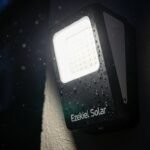
Solar lighting systems have gained popularity as effective solutions for outdoor illumination, particularly in areas where traditional electrical wiring may be impractical or expensive. These systems primarily comprise four key components: solar panels, batteries, LED fixtures, and controllers. Together, these elements collaborate to harness sunlight and convert it into usable energy for lighting.
The solar panel, or photovoltaic panel, is perhaps the most vital component, as it captures sunlight and converts it into electricity through the photovoltaic effect. When sunlight strikes the panel’s surface, it excites electrons, generating a direct current (DC) that is crucial for powering the system. The efficacy of solar panels is often dependent on factors such as the angle of installation, shading, and dirt accumulation, which underscores the importance of proper maintenance.
Next, the generated power is stored in batteries, allowing the lighting system to operate even when sunlight is not available. Different types of batteries are used in solar lighting, including lead-acid and lithium-ion, each with varying capacities and lifespans. Selection of the appropriate battery is essential for optimizing the system’s performance. Batteries should be maintained and monitored to ensure they are functioning effectively, as a drained or malfunctioning battery can hinder the overall efficiency of the solar lighting system.
The LED fixtures are the actual light sources of the system. They are energy-efficient, providing bright illumination while consuming minimal power. The longevity and performance of LED lights can significantly extend the operational lifecycle of solar lighting systems. Lastly, controllers play a crucial role in regulating the power supply and energy consumption. They manage the timings of illumination, ensuring that the lights turn on and off based on the ambient light levels.
Importance of Regular Maintenance
Regular maintenance of solar lighting systems is essential for ensuring their longevity and optimal performance. Over time, various factors can contribute to the inefficiency of solar lights, including dirt accumulation on solar panels, battery degradation, and environmental changes. By neglecting maintenance, these aspects can impede the energy absorption capabilities and operational efficacy of the lights.
One of the most significant outcomes of inadequate maintenance is reduced brightness. Dust, leaves, and debris can obstruct solar panels, which diminishes their ability to capture sunlight. This obstruction results in a diminished charge for the batteries, leading to lower light output during nighttime hours. Moreover, this reduced brightness not only affects visibility but can also cause safety concerns in areas where illumination is crucial.
Battery failure is another potential issue arising from neglecting regular maintenance. Solar lighting systems typically rely on rechargeable batteries to store energy collected during the day. Without routine checking and care, these batteries may corrode or lose their capacity, resulting in costly replacements. Proactive care includes inspecting battery connections, cleaning terminals, and replacing batteries when necessary to ensure continuous operability and energy efficiency.
Furthermore, overlooking maintenance can lead to increased energy costs. When solar lights operate inefficiently due to neglect, they may demand more energy from their batteries than necessary, leading to higher operational costs over time. By performing regular maintenance, users can enhance the efficiency of their systems, ensure prolonged operational life, and avoid unexpected expenses associated with premature malfunctions.
In essence, committing to routine maintenance for solar lights not only maximizes their performance and lifespan but also guarantees a safer environment and a greater return on investment.
Cleaning Solar Panels and Fixtures
To ensure optimal performance and longevity of solar lighting, regular cleaning of solar panels and fixtures is paramount. Dust, debris, and other contaminants can significantly reduce the light absorption capabilities of solar panels, ultimately affecting their efficiency and output.
When considering the cleaning process, it is essential to use non-abrasive, mild cleaning agents. A mixture of water and a few drops of liquid dish soap can be effective in removing dirt without damaging the solar panels. Avoid harsh chemicals or abrasive materials that might scratch or degrade the surface. For stubborn grime, a soft sponge or cloth should suffice, ensuring that you are gentle during the cleaning process to maintain the integrity of the solar cells. Additionally, using distilled water is recommended, as it does not contain minerals that could leave residues on the panels.
The frequency of cleaning should align with the environmental conditions of your location. In areas with high dust levels, such as deserts or regions with frequent storms, cleaning might be necessary every one to two months. On the other hand, in more temperate climates, a thorough cleaning every six months may be sufficient. As a general rule, inspect solar panels at least quarterly to assess dirt accumulation and clean as needed.
For high-mounted fixtures, safety is paramount. Utilize a sturdy ladder or scaffolding, and consider using a telescoping cleaning tool designed for solar panels to reach elevated positions safely. Always wear appropriate safety gear, including gloves and eye protection, and, if necessary, seek assistance from a professional cleaning service to carry out the task safely. By adhering to these cleaning tips, you can ensure that your solar lighting systems operate at peak performance, providing sustainable and efficient illumination for years to come.
Checking and Maintaining Batteries
Batteries play a crucial role in the operation of solar lights, as they store the energy harnessed from sunlight. Various types of batteries may be employed in solar lighting systems, including Nickel-Cadmium (NiCd), Nickel-Metal Hydride (NiMH), and Lithium-ion. Each of these battery types requires specific care to ensure optimal performance and longevity.
The first step in battery maintenance is regular inspection. Check the batteries at least once a season for any visible signs of wear, such as corrosion, leaks, or warping. If corrosion is noted on the battery terminals, it is vital to clean this off promptly. This can typically be done using a mixture of baking soda and water; apply the solution to the terminals and scrub gently to remove buildup, ensuring the connections are free from debris and conductive material.
In addition to regular inspections, monitoring the battery’s performance is essential. Take note of any changes in the lighting duration or brightness, as diminished output can indicate battery fatigue or failure. If solar lights that previously operated efficiently start exhibiting these issues, it may be time to consider replacing the batteries. Replacement should be done with suitable battery types to maintain the integrity of the solar lighting system.
Recognizing the signs of deterioration is imperative for effective maintenance. Look for issues such as decreased efficiency, failure to recharge fully, or inconsistent illumination patterns. These symptoms can point toward the need for battery replacement or proper maintenance actions. By keeping a close eye on battery health and tending to them accordingly, one can greatly extend the life and efficiency of solar lighting installations.
Ensuring Optimal Placement
The effectiveness of solar lighting is inherently tied to its placement. For solar lights to function at their best, proper positioning relative to sunlight exposure is crucial. This entails assessing the overall environment and making adjustments as necessary. Over the course of the year, it is important to monitor how sunlight hits the area where the solar lights are installed. Seasonal changes can shift the sun’s trajectory, meaning that lights that receive adequate sunlight in one season may become obstructed in another.
One fundamental guideline is to avoid placing solar lights in areas that are frequently shaded by buildings, trees, or other structures. Even partial shade can significantly reduce the charging efficiency of solar panels, leading to diminished brightness during the evening hours. To ensure maximum exposure, consider performing a sunlight assessment using the sun’s position and typical shadow patterns in your location. Tools such as apps designed for sunlight tracking can offer valuable insights into the best spots for your solar lights.
Moreover, when choosing locations for installation, make sure to consider factors such as the height of surrounding vegetation and anticipated growth. As trees and plants mature, their shade may expand, ultimately affecting the solar lights’ ability to charge. Additionally, the angle of the solar panels is critical; they should be positioned where they can absorb as much direct sunlight as possible. Regularly revisiting and adjusting the placement of solar lights, especially after significant seasonal changes or during regular maintenance checks, can greatly enhance their performance and lifespan.
Inspecting and Replacing LED Bulbs
Maintaining the efficiency of solar lighting systems hinges significantly on the inspection and replacement of LED bulbs. Regularly assessing the functionality and brightness of LED bulbs is essential, as over time, these components may experience a decline in performance. To achieve optimal lighting performance, it is advisable to include bulb inspection as part of your routine maintenance schedule.
When inspecting LED bulbs, check for any signs of flickering, dimness, or unusual color changes. These indicators might suggest that the bulbs are nearing the end of their lifespan or that there is an underlying issue within the solar lighting system. Ideally, LED bulbs should be replaced before they completely fail to ensure continuous and efficient illumination. Moreover, it is important to take note of the average lifespan of the specific LED bulbs you are using. Most LED bulbs last between 25,000 to 50,000 hours, depending on the quality and operating conditions.
When it comes to replacing LED bulbs, opting for high-quality, energy-efficient options can yield numerous benefits. Higher quality bulbs not only provide brighter and more consistent lighting but also reduce energy consumption, thus enhancing the overall efficiency of the solar lighting system. Furthermore, energy-efficient bulbs often come with longer guarantees, providing additional peace of mind. Select bulbs that are compatible with your solar fixtures and ensure they have a similar color temperature to maintain aesthetic consistency.
In conclusion, regular inspection and timely replacement of LED bulbs play a critical role in maintaining the performance and efficiency of solar lighting systems. By prioritizing this aspect of maintenance, you can ensure long-lasting illumination and enhance the overall functionality of your solar-powered lighting solutions.
Seasonal Maintenance Tips
Maintaining solar lighting systems throughout the changing seasons is crucial for ensuring their longevity and optimal performance. Different weather conditions can pose specific challenges, and understanding how to prepare solar lights accordingly can enhance their efficiency and lifespan.
In the winter months, the primary concern is the impact of snow and ice on the solar panels. It is advisable to regularly clear snow accumulation from the panels, as this allows maximum sunlight exposure, which is essential for energy absorption. Additionally, if exceedingly low temperatures are expected, consider adjusting the angle of the solar panels to capture more sunlight. Furthermore, inspecting and cleaning the solar lights prior to winter will help to ensure they are in good working condition.
During summer, particularly in regions where temperatures can reach high levels, overheating can diminish battery capacity. To prevent this, it is important to place solar lights in shaded areas where they can still receive adequate sunlight without excessive heat exposure. Regularly checking the battery and replacing it if necessary can also help maintain performance during the peak of summer.
Transitioning into fall requires attention to fallen leaves and debris, which can obstruct solar panels. Regular cleaning of panels and fixtures is essential to maximize light absorption before the winter months. Additionally, inspecting the lighting fixtures for any loose or damaged components during this season can prevent issues from developing before the harsher winter weather arrives.
Lastly, spring maintenance often entails a thorough inspection of the entire system to prepare it for the active seasons ahead. This includes checking the wiring for any signs of wear and ensuring the batteries are functioning correctly after the winter period. Implementing these seasonal maintenance strategies ensures that solar lighting continues to perform effectively year-round.
Troubleshooting Common Issues
Maintaining the functionality of your solar lighting system is essential for ensuring it delivers optimal performance. However, various issues may arise that can hinder its efficiency. Understanding common problems and their solutions can help you address these challenges effectively.
One prevalent issue is dim lighting, which often results from inadequate sunlight exposure. If your solar lights appear dim, first check their placement. Ensure they are installed in locations that receive direct sunlight for most of the day. Additionally, examine the solar panels for dirt, debris, or obstructions that may prevent sunlight from reaching them. Cleaning the panels with a soft cloth can significantly enhance their ability to charge the batteries.
Another problem users may encounter is total failure of the solar lighting system. If the lights do not turn on at night, it could indicate that the batteries are depleted or have reached the end of their lifespan. Check to ensure the batteries are charged. If they fail to charge after several sunny days, consider replacing them with new, compatible batteries. It is also beneficial to examine connections and wiring for any signs of wear or damage, which may disrupt the circuit and result in lighting failure.
Sometimes, solar lights may flicker or turn on and off sporadically. This often suggests a low battery charge or a connection issue. Inspect the battery and connections first, then assess the solar panel for cleanliness and obstruction. By identifying the source of the problem, you can restore consistent lighting to your space.
By employing these troubleshooting tips, you can extend the life of your solar light system and ensure they operate at maximum efficiency. Regularly checking and addressing these common issues will help maintain a steady performance throughout their service life.
When to Seek Professional Help
While maintaining solar lighting systems is a task homeowners often undertake themselves, certain circumstances may necessitate professional assistance. Recognizing when to seek experts is essential to safeguarding both the integrity of your solar lighting and your safety. A key indicator for professional intervention is the presence of complex electrical issues. If you encounter persistent flickering lights, dim illumination despite full charge, or any unusual behaviors, an electrician or technician with expertise in solar energy systems can diagnose and remedy these problems effectively.
Another scenario that requires professional attention is when your solar lighting shows signs of extensive damage from severe weather conditions. Events such as heavy storms, high winds, or snowfall can place undue stress on your lighting system, potentially damaging solar panels, wiring, or fixtures. If you notice visible cracks or disconnections, engaging an expert is prudent to ensure repairs are performed correctly and efficiently. Such damage may not always be apparent, so it’s wise to have a technician evaluate the system after any significant weather events.
Furthermore, if your solar lighting system is integrated with smart technology or complicated networking, troubleshooting can exceed typical homeowner skills. Issues involving software updates, connectivity problems, or compatibility matters between devices require specialized knowledge to resolve. In such cases, engaging a professional ensures that your system operates seamlessly and optimally. Ultimately, understanding the limits of your capabilities is crucial. By recognizing the signs that it’s time to consult a technician, you can maintain the longevity and efficiency of your solar lighting system without compromising safety or functionality.