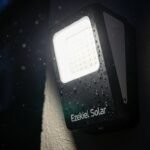
Introduction to Solar Lighting Myths
Solar lighting has emerged as a prominent alternative to traditional lighting solutions, offering sustainability and cost-effectiveness. However, despite its growing popularity, a number of myths and misconceptions surround solar lighting systems. These myths can hinder potential users from embracing solar technology, often leading to misunderstandings about the functionality and effectiveness of such solutions.
One prevalent myth is that solar lighting is ineffective during cloudy weather or at nighttime, which overlooks advancements in solar technology. Modern solar lights are equipped with high-capacity batteries that can store sufficient energy generated during the day, ensuring consistent performance even when sunlight is minimal. Additionally, the efficiency of solar panels has significantly increased, allowing for more energy capture from the sunlight available.
Furthermore, many individuals believe that solar lighting is too expensive and not cost-effective in the long run. While the initial investment for solar lighting may be higher compared to conventional fixtures, the savings accrued from reduced energy bills over time, along with maintenance-free operation, can render solar solutions economically advantageous. This understanding is crucial for homeowners and businesses considering solar lighting installations, as it encourages informed decision-making.
Finally, the myth suggesting that solar lighting lacks aesthetic appeal is also misleading. In reality, solar lights come in a variety of designs and styles that can enhance outdoor spaces while being environmentally friendly. From pathway lights to garden spotlights, the variety available caters to diverse tastes and applications.
By addressing these myths, consumers can build a better understanding of solar lighting options available to them, paving the way for a more sustainable and brighter future.
Understanding Solar Technology in Various Weather Conditions
The notion that solar lights are ineffective during cloudy or rainy days is a common misconception that requires clarification. Solar technology is designed to harness sunlight in all its forms, including indirect sunlight that is prevalent on overcast days. Solar panels are equipped to capture both direct and diffused solar rays, converting them into usable energy, which means that solar lights remain functional despite poor weather conditions.
One of the key advancements in solar technology is the development of battery storage systems. These systems store energy generated during sunlight hours, allowing the lights to operate even when the sun is not shining. This means that on cloudy days, although the energy capture may decrease, any accumulated energy can still be utilized, ensuring that the solar lights remain operational during nighttime or periods of inclement weather.
Modern solar lights also employ efficient LED technology that requires significantly less energy than traditional lighting options. As a result, the energy generated, even on less-than-ideal days, is often sufficient to sustain their illumination needs through the night. Furthermore, advancements in solar panel efficiency have increased their ability to gather light at lower intensities, making them increasingly reliable during diverse weather conditions.
Real-world examples have demonstrated that solar lights can effectively perform in various environments and climates, from regions that experience frequent cloudy weather to areas with seasonal rain. In many cases, users report high satisfaction rates with their solar lighting solutions, even when subjected to unpredictable weather patterns. This highlights the adaptability and resilience of solar technology.
Myth 2: Solar Lighting is too Expensive
One prevalent myth regarding solar lighting systems is the belief that they are prohibitively expensive, deterring many individuals and businesses from considering them as viable alternatives to traditional lighting solutions. However, a thorough analysis reveals that the initial costs associated with solar lighting can be misleading, especially when contrasted with the significant long-term financial benefits they offer.
Initially, the purchase and installation of solar lighting systems may appear to incur a higher upfront investment compared to conventional electric lighting options. However, it is essential to recognize that solar lighting eliminates the need for electricity from the grid, resulting in lower monthly energy bills. In many cases, the average homeowner or business can experience substantial savings over time, often recovering their initial investment within a few years. The exact duration can vary depending on local electricity rates, usage patterns, and the solar lighting system’s efficiency.
Moreover, solar lighting requires minimal maintenance compared to traditional systems, further reducing overall upkeep expenses. Most solar lights come with energy-efficient LED bulbs that last significantly longer than incandescent or fluorescent alternatives, resulting in fewer bulb replacements and reduced maintenance costs. When factors like these are considered, it becomes evident that the economic advantages of solar lighting often outweigh the initial price tag.
For those concerned about the initial investment, various financing options and incentive programs are available at the federal, state, and local levels. These programs can help subsidize the cost of purchasing and installing solar lighting, making it more accessible and attractive. By taking advantage of these incentives, individuals and organizations can enjoy the benefits of solar lighting without incurring overwhelming expenses.
Myth 3: Solar Lights Require a Lot of Maintenance
One prevalent misconception about solar lights is that they require extensive maintenance to function effectively. In truth, solar lighting systems are designed to offer ease of use coupled with low maintenance needs, making them an attractive choice for many homeowners and businesses. Unlike traditional wired lighting which often entails intricate setup and continuous upkeep, solar lights simplify the process by harnessing solar energy directly, reducing the various maintenance challenges associated with electrical systems.
To maintain optimal performance, solar lights generally require minimal care. Routine cleaning of the solar panels is the most significant maintenance task. Dust, dirt, and debris can accumulate over time, obstructing sunlight absorption and hindering efficiency. A simple wipe-down with a damp cloth can significantly enhance the energy output of the lights. Additionally, regular checks on the batteries, ensuring they are functioning well and replacing them as necessary can prolong the life of the solar lights.
It’s also important to install solar lights in locations where they can receive ample sunlight during the day. While this is a one-time consideration, it greatly reduces the need for troubles during operation. As with any lighting system, ensuring proper alignment of the lights can further enhance their functionality, but this is rarely complex or time-consuming. Moreover, unlike wired systems subject to power outages or electrical issues, solar lights typically remain operational as long as they have access to sunlight, offering an added layer of reliability.
In essence, when properly installed and situated, solar lights rank as one of the lower-maintenance lighting solutions available, emphasizing the efficiency and effectiveness of modern solar technology.
Myth 4: Solar Lighting is Not Bright Enough
A prevalent misconception regarding solar lighting is that it does not provide adequate brightness for outdoor spaces. This myth stems largely from early generations of solar lights that often lacked sufficient power output and efficiency. However, advancements in solar technology have dramatically improved the performance of these fixtures.
Modern solar lights are capable of emitting a level of brightness comparable to traditional lighting solutions. The brightness of solar lights is typically measured in lumens, a standard unit that quantifies visible light. Depending on the type and design, solar lights can produce anywhere from a few lumens for decorative path lights to over 1,000 lumens for motion-sensor floodlights. This range ensures that there are solar lighting options suitable for various applications, including security lighting, landscaping illumination, and ambient lighting.
For instance, solar flood lights, which are designed for security and area lighting, can deliver upwards of 1,500 lumens, making them effective for illuminating driveways, yards, and other large outdoor spaces. In contrast, solar pathway lights, often more decorative, typically range from 30 to 300 lumens, providing sufficient guidance along walkways without overwhelming brightness.
It is essential to consider the specific needs of a space when evaluating solar lighting options. The right choice can effectively meet brightness requirements while also offering the added benefits of energy efficiency and low maintenance. Additionally, many modern solar lights come equipped with various features, such as adjustable brightness settings and motion detection, further enhancing their practicality. Therefore, the assertion that solar lighting is inadequate in terms of brightness is increasingly outdated, as contemporary models significantly rival their traditional counterparts in effectiveness.
Durability of Modern Solar Lights
One prevalent misconception regarding solar lights is that they lack durability and are easily damaged. This notion arises from older models that had limited performance and unreliable materials. However, advancements in solar technology and manufacturing processes have significantly enhanced the durability of contemporary solar lights. Today’s solar lights are constructed using high-quality materials that can withstand harsh weather conditions, making them a viable option for outdoor lighting.
For instance, many modern solar lights are made with robust plastic or aluminum housings that resist corrosion and impact damage. These materials provide longevity and ensure the lights remain functional even in extreme temperatures, heavy rain, or strong winds. Several solar fixtures now come equipped with features such as weather-resistant seals and UV-resistant coatings, which further protect the internal components from environmental stressors.
Real-world applications demonstrate the durability of these solar lighting solutions. For example, numerous public parks and streets have adopted solar street lights equipped with advanced LED technology. These lights not only illuminate the area effectively but have also shown remarkable resilience over years of exposure to outdoor conditions. In some cases, municipalities reported that solar street lights have continued to function optimally for over five years without requiring significant maintenance or replacement.
Additionally, some solar lights are specifically designed for rugged environments. Products built for marine use or high-altitude areas feature enhanced materials that can endure corrosion from salty air or the stresses caused by environmental factors, ensuring they remain operational and effective. These innovations challenge the stereotype of solar lights as fragile, proving instead that they can provide reliable solutions suitable for a variety of applications.
Myth 6: All Solar Lights Are the Same
When delving into the world of solar lighting, one pervasive misconception is that all solar lights are identical in quality and performance. However, this is far from the truth. The variations in the design, functionality, and materials used in different solar lighting products can significantly affect their effectiveness and longevity.
First and foremost, solar lights are distinguished by their quality of components. Higher-end models often use premium photovoltaic cells, which can convert solar energy into electricity more efficiently than less expensive alternatives. This efficiency translates into better performance and longer operational times after sunset. Conversely, lower-quality solar lights may have subpar batteries that store less energy, resulting in dim illumination and shorter nightly usage.
In addition to component quality, design also plays a crucial role in a solar light’s effectiveness. Some lights are designed with specific applications in mind, such as landscape illumination, security lighting, or decorative purposes. For instance, a path light will typically have a broader beam angle and a softer glow compared to a spotlight, which is engineered for directed lighting. As a result, potential buyers should consider their specific lighting needs when selecting solar lights.
Furthermore, user experience can vary widely. Features such as motion sensors, adjustable brightness settings, and solar panel angles can enhance functionality and usability. These variations mean that not every product will meet the same performance standards or fit the same situations. Therefore, consumers must conduct thorough research to ensure they make informed choices that align with their requirements.
By recognizing that not all solar lights are created equal, individuals can better navigate the market and select products that deliver optimal performance, efficiency, and design for their unique lighting needs.
Real-World Examples of Effective Solar Lighting
As renewable energy solutions evolve, solar lighting has emerged as a viable option that effectively meets both aesthetic and functional goals in outdoor settings. Numerous case studies highlight the successful integration of solar lights in various environments, showcasing their capability to illuminate spaces sustainably.
One notable example can be found in a residential community in California. Homeowners within this community decided to replace their traditional outdoor lighting with solar-powered options. Their objectives included reducing energy costs and minimizing their carbon footprint. According to the homeowners’ testimonials, the solar lights not only enhanced the ambiance of the community green spaces but also provided ample illumination for evening gatherings. The reduction in electricity costs was significant, motivating the neighborhood to advocate for further solar implementations.
Similarly, a popular restaurant in Texas adopted solar lighting to enhance its outdoor dining area. The management emphasized the importance of providing patrons with a pleasant atmosphere while being environmentally conscious. After installing solar-powered string lights and lanterns, they witnessed an increase in customer satisfaction and an impressive boost in evening reservations. Feedback from diners indicated a preference for the soft glow of solar lighting over harsh conventional bulbs, adding to the overall dining experience.
In addition to residential and commercial applications, solar lighting has proven effective in public parks. A case study from a city in Florida illustrates how the installation of solar path lights improved safety and visibility for park-goers at night. The local government noted a decrease in nighttime incidents and increased foot traffic in the park, demonstrating how solar lighting can contribute to community safety while promoting sustainable energy practices.
Conclusion and Call to Action
Throughout this exploration of common solar lighting myths, we have uncovered important facts that dispel misconceptions surrounding solar lights. Many individuals assume that solar lighting lacks brightness compared to traditional options; however, advancements in solar technology have led to improved efficiency and luminosity. Another prevalent myth is that solar lights are ineffective in cloudy or rainy weather, yet modern solar panels can harness and store adequate energy even on overcast days.
Furthermore, concerns about the durability of solar lighting have been proven unwarranted, as many products are designed with robust materials to withstand various weather conditions and ensure longevity. As we debunked these myths, it became apparent that solar lighting solutions are both practical and feasible for a range of outdoor needs, from illuminating pathways to enhancing landscape aesthetics.
As you contemplate your own outdoor lighting needs, we encourage you to consider solar lighting as an environmentally-friendly and cost-effective alternative. With a broad selection of reputable products available, it’s essential to research and choose options that align with your specific requirements. Always look for verified user reviews and seek out brands known for their quality and performance in solar technology.
We invite you to reflect on your experiences with solar lighting and share them with our community. Your insights could help others make informed decisions regarding their outdoor lighting choices. Additionally, we encourage you to explore the various solar lighting options available in the market today, ensuring you make a sustainable and efficient choice for your outdoor environment. Solar lighting has evolved, and now is the perfect time to embrace its potential.