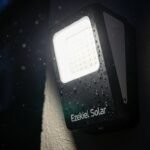
Introduction to Solar Garden and Outdoor Lighting
In recent years, solar garden and outdoor lighting has gained significant traction within both residential and commercial spaces. This surge in popularity can be attributed to a growing awareness of sustainable practices and the advantages of renewable energy solutions. Solar lighting systems typically utilize photovoltaic cells, converting sunlight into electricity, which powers various forms of outdoor illumination. This innovative use of renewable energy not only reduces reliance on traditional electricity sources but also contributes to lower utility bills.
The benefits of solar garden and outdoor lighting extend beyond mere financial savings. These lighting systems are environmentally friendly, as they harness solar energy, thereby minimizing the carbon footprint associated with conventional lighting solutions. Additionally, solar-powered lights come with inherently low maintenance requirements, as they generally feature durable construction designed to withstand outdoor elements, eliminating the need for frequent replacements.
The versatility of solar lights makes them an ideal choice for a range of applications, from residential gardens to hotel landscapes, parks, and public spaces. Homeowners can enhance the aesthetic appeal of their gardens while providing safety and security with strategic lighting placements. In commercial settings, hotels and resorts leverage solar lighting to create inviting atmospheres, improve guest experiences, and highlight architectural features of their properties.
This blog post aims to explore various facets of solar garden and outdoor lighting, encompassing types, installation options, and tips for effective use. By the end of this discussion, readers will have a comprehensive understanding of how solar lighting can transform both residential and commercial environments, while promoting energy efficiency and sustainability.
Solar lighting offers a multitude of benefits that make it an attractive option for homeowners, hotels, and landscapes in general. One of the most significant advantages is energy efficiency. Powered by sunlight, solar lights harness the sun’s natural energy, eliminating the reliance on conventional electricity. This not only reduces the carbon footprint associated with fossil fuel usage but also leads to substantial cost savings on electricity bills. With rising energy costs, solar lighting presents a financially prudent solution for outdoor illumination.
Moreover, solar lights contribute positively to the environment. By utilizing renewable energy, they markedly decrease greenhouse gas emissions, making them an eco-friendly alternative to traditional lighting options. Homeowners and businesses can illuminate their spaces while fostering sustainability, which enhances their reputational standing regarding environmental responsibility.
Another noteworthy advantage of solar lighting is the ease of installation. Unlike traditional electrical systems which often require extensive wiring and professional installation, solar lights can be set up without the need for complicated tools or electrical expertise. This user-friendly aspect allows for flexibility in placement, enabling users to install fixtures in diverse locations where conventional electricity might not be feasible.
Additionally, solar lighting enhances safety features in outdoor spaces. With the automatic activation of lights at dusk, solar lights provide visibility and deter potential security risks in gardens, pathways, and hotel premises. This proactive approach to safety ensures well-lit areas while reducing the need for frequent maintenance associated with wired systems.
In conclusion, the advantages of solar lighting extend beyond merely illuminating outdoor spaces. They encompass energy efficiency, cost effectiveness, environmental benefits, simple installation, and enhanced safety, making them an essential addition to contemporary outdoor designs.
Types of Solar Garden and Outdoor Lights
Solar garden and outdoor lights have gained popularity due to their energy efficiency and versatility. Understanding the various types available is key to selecting the perfect option for your outdoor area.
One of the most common types is path lights. These are designed to illuminate walkways, driveways, and garden paths, enhancing safety while providing aesthetic appeal. Typically, path lights are installed along sidewalks and feature a slender design that ensures they blend seamlessly into the landscape.
Spotlights serve another important purpose. Often used for highlighting specific features such as trees, statues, or architectural details, these lights usually deliver a concentrated beam that emphasizes the focal point in question. Spotlights come in various styles, allowing homeowners and businesses to choose models that align with their overall design scheme.
Floodlights are ideal for larger outdoor spaces that require broad illumination. These powerful lights are particularly effective for security purposes, providing substantial brightness over a wide area. While they can be installed on walls or ceilings, some floodlights are portable and can be used temporarily during events or gatherings.
String lights offer a whimsical, festive alternative that is perfect for patio areas or garden gatherings. They come in various shapes, sizes, and styles and can be hung overhead or wrapped around trees to create a charming atmosphere. String lights not only enhance the ambiance but also add visual interest to outdoor spaces.
Lastly, decorative lights encompass a broad category, including lanterns, fairy lights, and solar garden stakes. These lights are primarily for aesthetic appeal and can add unique character to outdoor decor. They often showcase creativity and can be used in a multitude of settings, from cozy gardens to sophisticated outdoor dining areas.
In conclusion, the diversity in solar garden and outdoor lights allows for tailored solutions that meet both functional and aesthetic needs. Whether for safety, illumination, or decor, there are suitable options for every outdoor environment.
Choosing the Right Solar Light for Your Space
When selecting solar lighting for residential or commercial outdoor areas, it is essential to consider several key factors to ensure an optimal fit for your specific needs. Firstly, assess the size of the area intended for illumination. For expansive gardens or patios, larger solar lights or multiple fixtures may be necessary to provide adequate coverage, whereas, for smaller spaces, compact lighting solutions can be just as effective.
The light output is another critical aspect to evaluate. Solar lights come in various lumens ratings, which indicate their brightness. For functional lighting, such as pathways or security spots, opt for higher lumen outputs. In contrast, for ambiance setting, lower lumens can create a softer, welcoming glow.
Battery life significantly impacts the performance of solar lighting systems. It’s important to consider the duration of illumination you require. Some solar lights offer extended battery life and can stay lit for up to 12 hours, making them suitable for all-night use. Checking for efficient solar panels that maximize sunlight conversion is equally vital, as it affects how long the lights will remain operational after charging.
Design also plays a pivotal role in choosing the right solar lights. The aesthetics should complement your garden style and the architectural elements of your home or facility. For instance, modern LED solar lights provide a sleek appearance that pairs well with contemporary designs, whereas traditional lantern styles might suit classic garden layouts better.
Finally, consider coordinating the types of solar lights with your outdoor decor. Using a consistent theme helps create a cohesive look, enhancing the overall atmosphere of your landscape or outdoor space. By carefully evaluating these factors—size, light output, battery life, brightness, and design—you can select the ideal solar lighting solution tailored to your requirements.
Installation and Maintenance of Solar Lights
Installing solar lights effectively requires careful planning and consideration. Start by selecting appropriate locations for your solar lights, keeping in mind their intended purpose, whether it is to illuminate pathways, accentuate landscape features, or provide security. A critical factor in this decision is sunlight exposure; solar lights require direct sunlight to charge their batteries optimally. Identify areas that receive at least six to eight hours of sunlight daily, which can significantly enhance the performance of your solar lighting system.
Once the locations are determined, check for any obstructions such as trees, buildings, or other structures that might block sunlight. It is also essential to consider the alignment of the lights. Position them to maximize light dispersal and avoid directing beams into neighboring properties, which can cause disturbance. Once the placement is established, follow the manufacturer’s instructions to securely install the lights, ensuring that they are stable and positioned at a height conducive to effective illumination.
Maintenance of solar lights is relatively straightforward, yet essential for ensuring their longevity and performance. Regular cleaning of the solar panels is advisable. Dust and debris can accumulate over time, diminishing the light’s ability to capture sunlight. Use a soft cloth and some soapy water to clean the panels gently. Additionally, check the battery status periodically, as batteries should be replaced every one to three years, depending on the manufacturer’s guidelines and the frequency of use.
Furthermore, it’s wise to inspect the lights for any damage, especially after severe weather. Replace any broken components promptly to avoid compromising the system’s efficiency. Regular maintenance not only maximizes the lifespan of your solar lights but also maintains the aesthetic appearance and functionality that enhances outdoor spaces.
Enhancing Aesthetic Appeal with Solar Lighting
Solar lighting serves as a remarkable tool for enhancing the aesthetic appeal of gardens and outdoor spaces. By integrating solar lights, homeowners can accentuate the beauty of their landscapes while promoting sustainability. One popular application of solar lighting is for illuminating pathways. Strategically placed solar path lights not only provide safety during nighttime walks but also guide visitors while highlighting the garden’s layout. These lights come in various designs and colors, allowing them to blend seamlessly with the surrounding environment.
Moreover, solar lighting can be employed to highlight architectural features within a property. For instance, uplighting can draw attention to trees, sculptures, or the façade of a building. Such techniques not only create dramatic effects but also establish depth in the landscape, transforming ordinary spaces into visually captivating areas. Using downlights to illuminate patios or decks can also create a cozy atmosphere for outdoor gatherings.
The ambiance of an outdoor area can be significantly improved by utilizing solar string lights or decorative lanterns. These lights can be draped along pergolas or over outdoor seating areas to create a warm and inviting glow. In addition, lanterns placed strategically around the garden can serve as charming focal points, facilitating a delightful evening experience. For a whimsical touch, solar garden stakes shaped like flowers or animals can bring a playful element to garden beds, enhancing the overall aesthetic while providing illumination.
Successful installations of solar lighting can be found in various settings, from private residential gardens to commercial outdoor spaces in hotels. These examples showcase how creatively executed solar lighting enhances not only the functionality but also the visual allure of outdoor environments. Embracing solar lighting solutions is a step towards achieving an enchanting atmosphere while contributing to eco-friendly practices.
Solar Lighting for Hotels and Commercial Properties
In recent years, the adoption of solar outdoor lighting has gained significant traction within the hospitality and commercial sectors. Solar lighting solutions not only enhance the aesthetics of hotels and businesses but also provide substantial cost savings and sustainability benefits. By utilizing solar-powered fixtures, these establishments can create inviting environments while reducing energy consumption.
One compelling case study involves a well-known coastal hotel that integrated solar garden lighting throughout its outdoor spaces. The implementation of solar fixtures not only illuminated pathways and gardens but also reduced the hotel’s dependency on grid electricity. Within the first year of installation, the hotel reported an impressive 25% reduction in energy costs, showcasing the potential of solar lighting systems to optimize operational expenditures.
Another notable example is a chain of restaurants that embraced solar-powered landscape and commercial lighting. The initiative aligned with their commitment to sustainability and attracted environmentally-conscious customers. By leveraging solar energy, they were able to enhance the ambiance of their outdoor dining areas while also promoting an eco-friendly image. This dual advantage led to increased customer foot traffic and positive feedback regarding their corporate responsibility efforts.
The cost analysis of solar lighting implementation reveals that while the initial investment may be higher than conventional lighting solutions, the long-term savings are substantial. Moreover, many regions offer tax incentives and rebates for adopting renewable energy technologies, further sweetening the financial outlook for businesses contemplating such upgrades.
In conclusion, solar outdoor lighting is a valuable enhancement for hotels and commercial properties, contributing to both customer satisfaction and environmental sustainability. By investing in renewable energy solutions, businesses do not only reduce operational costs but also reinforce their commitment to sustainable practices, ultimately resulting in a win-win scenario for operators and customers alike.
Future Trends in Solar Garden and Outdoor Lighting
The landscape of solar garden and outdoor lighting is continually evolving, reflecting not only advancements in technology but also shifting consumer preferences towards sustainable solutions. As we look ahead, several key trends are anticipated to reshape the market for solar lighting.
One of the most significant trends is the emergence of smart solar lights. These innovations allow for enhanced functionality, including remote control via mobile applications and integration with home automation systems. Smart solar lights can adjust brightness based on the surrounding light conditions and detect motion to enhance security. This increased interactivity aligns with the growing consumer trend towards smart home technology, where homeowners seek systems that offer convenience and efficiency.
Another exciting development is improving the effectiveness and durability of solar panels used in these outdoor lighting solutions. Researchers are consistently working on enhancing the photovoltaic cells’ efficiency, which could lead to better energy conversion and longer operating times for solar lights. Additionally, advancements in materials can increase the durability of solar panels, making them better suited to withstand varying weather conditions. Such improvements not only promise longer service life but also more robust performance in less-than-ideal lighting conditions.
Furthermore, the design of solar garden lights is evolving to include more aesthetic options that blend seamlessly into outdoor environments. Consumers are increasingly looking for lighting solutions that not only serve a functional purpose but also enhance the visual appeal of their gardens and landscapes. This trend toward attractive solar lighting can drive further acceptance and adoption in both residential and commercial markets.
In conclusion, as technology continues to advance, the future of solar garden and outdoor lighting looks promising. With trends leaning towards smart integration, enhanced effectiveness, and beautiful designs, consumers can look forward to a market that not only meets their lighting needs but also supports their commitment to sustainability.
Conclusion and Final Thoughts
In conclusion, solar garden and outdoor lighting represents a significant advancement in sustainable living and outdoor aesthetics. By harnessing the power of the sun, these lighting solutions not only reduce energy costs but also contribute to environmental preservation. Homeowners, hotels, and landscape designers alike can benefit from the versatility and convenience offered by solar lights. The easy installation process eliminates the need for complex wiring, making solar options a feasible choice for diverse applications.
The benefits of solar lighting extend beyond mere savings. These systems are often equipped with energy-efficient LED bulbs, ensuring a bright and inviting ambiance while consuming minimal power. Additionally, the variety of designs available means that these lights can enhance the visual appeal of any space, be it a residential garden, a commercial walkway, or a public park. With features such as motion sensors and solar panels, these lights provide a functional solution that addresses safety concerns without sacrificing style.
As we move towards more sustainable living practices, the integration of solar garden and outdoor lighting is a step in the right direction. It is not just an investment in energy savings; it is a commitment to a greener future. Readers are encouraged to consider solar lighting options for their outdoor spaces, facilitating a transformative experience that enhances safety, beauty, and sustainability. By choosing solar solutions, you are making a responsible choice that benefits both your property and the planet.