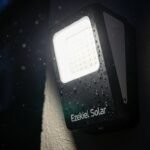
Introduction to Solar Energy
Solar energy is derived from the sun’s radiation, which is harnessed through various technologies, primarily solar photovoltaic panels. These panels convert sunlight into electricity, showcasing a remarkable ability to utilize a natural and abundant resource. By capturing the sun’s energy, solar energy systems provide a viable solution for powering homes and businesses, aligning perfectly with the increasing demand for sustainable energy sources.
The importance of solar energy in the context of sustainable living cannot be overemphasized. As fossil fuel reserves diminish and climate change becomes more pressing, solar energy presents a clean alternative that reduces dependency on non-renewable resources. Utilizing solar panels in residential applications allows homeowners to tap into this sustainable source of power, ultimately leading to a reduction in carbon emissions and a smaller ecological footprint.
In addition to its environmental benefits, solar energy offers significant cost savings over time. Although the initial investment in solar panels may seem substantial, the long-term financial return can be significant. Homeowners can substantially lower their electricity bills and benefit from various incentives provided by governments for adopting renewable energy solutions. Furthermore, advances in technology have made solar panels more efficient and affordable, making this energy source accessible to a wider audience.
Energy independence is another compelling reason homeowners consider solar energy. By producing their own electricity, homeowners become less reliant on the traditional power grid, which can be vulnerable to outages and price fluctuations. Solar panels enable individuals to take control of their energy usage, which can be particularly advantageous in areas experiencing unpredictable energy supply or rising electricity costs.
Understanding Solar Panels
Solar panels are pivotal in harnessing solar energy, enabling residential areas to utilize renewable resources effectively for lighting and other needs. Among the varieties available in the market, the three dominant types of solar panels are monocrystalline, polycrystalline, and thin-film, each possessing unique characteristics that affect their overall performance, efficiency, and cost.
Monocrystalline solar panels are made from a single crystal structure, offering high efficiency rates, typically between 15% and 22%. Their sleek aesthetic, combined with a small footprint—in terms of space required for installation—makes them a popular choice, despite their relatively higher cost. They are also known for longevity, often coming with warranties of up to 25 years. The primary disadvantage is their performance in high temperatures, where efficiency may decrease.
In contrast, polycrystalline panels are created from multiple crystal structures, making them generally less expensive to produce. Their efficiency rates range from 13% to 16%, which is lower than monocrystalline solutions. However, their affordability and slightly better performance in low-light conditions make them appealing for budget-conscious consumers. One notable drawback is that they require more space, thus may not be suitable for all installations.
Lastly, thin-film solar panels are produced by depositing layers of photovoltaic material onto a substrate, resulting in a lightweight and flexible design. They excel in applications where conventional panels may not fit, and their performance is relatively stable in high temperatures. However, their low efficiency (approximately 10% to 12%) necessitates a larger area for installation, making them less ideal for most residential applications.
Understanding these different types of solar panels, along with their respective components—such as inverters, battery storage systems, and mounting equipment—will provide insights into how they function together in a solar panel system. This comprehensive approach allows homeowners to make informed decisions when considering solar energy solutions for their lighting systems.
Assessing Your Home’s Solar Potential
Before considering the installation of solar panels for home lighting systems, it is crucial to evaluate your home’s solar potential. The suitability of your roof for solar panel installation can significantly affect energy generation and system efficiency. Several factors need assessment to determine if your property can harness solar energy effectively.
Firstly, roof orientation plays a vital role in optimizing solar panel performance. Ideally, roofs facing south will receive the most direct sunlight throughout the day. However, east and west-facing roofs can also be effective, although they may not generate as much energy as a south-facing roof. Therefore, it is advisable to assess the degree of inclination and direction of your roofing structure.
Another important aspect is the amount of available sunlight or solar irradiance. This can be evaluated using various online solar resources or apps that provide insights into your region’s solar availability, factoring in seasonal changes. Additionally, assessing any shading issues caused by nearby trees, buildings, or other obstructions is essential. Shadows that fall on solar panels can significantly decrease their efficiency and energy output.
Local regulations and zoning laws also need consideration. Some areas may have specific codes regarding solar panel installations, including restrictions on their size, placement, and necessary permits. Therefore, it is recommended to consult your local government or a solar installer to understand these regulations thoroughly.
Conducting a solar site assessment can also involve the use of tools like solar pathfinders, which help visualize sunlight exposure over a specified period. Ultimately, understanding these aspects will help you determine if your home is suitable for solar energy installations, paving the way for potential environmental and financial benefits.
Choosing the Right Solar Panel System
When selecting the appropriate solar panel system for your home, several key factors warrant careful consideration. To begin, it is essential to assess your energy consumption requirements. This analysis should include evaluating the total wattage of your household devices, appliances, and lighting systems. Understanding your energy needs will enable you to determine the necessary size of the solar panel system, ensuring that it can generate adequate electricity to power your home efficiently.
Next, potential buyers should consider their budget constraints. Solar panel systems can vary significantly in price, influenced by the type of technology used, the brand reputation, and whether the system is purchased as a DIY residential solar kit or through a professional installation service. While DIY kits may present a more economical alternative, they often require considerable technical knowledge and hands-on proficiency for proper installation and functioning.
On the other hand, professionally installed systems typically offer the advantage of expert assessment and installation, reducing the risk of errors that could lead to inefficiencies or reduced energy output. Although they may require a higher initial investment, the long-term savings on electricity bills and the potential increase in home value through a well-installed system may offset the added costs.
Additionally, assess the warranties and customer service options that accompany each solar panel system. Robust warranties and responsive customer support can add to the total value of your investment, as they provide reassurance regarding the longevity and performance of the panels.
Ultimately, the best solar panel system will align with your specific energy needs, budget, and the level of installation support you are comfortable with. Thorough research and evaluation of these considerations will guide you in making an informed decision for your home lighting needs.
Installation Process for Solar Panels
The installation of solar panels is a multi-step process that requires careful planning and execution to ensure optimal efficiency and safety. Preparation is the first crucial step in the journey to harness solar energy for home or residential lighting systems. Homeowners should initially evaluate their energy needs and assess the location for solar panels, considering factors such as sunlight exposure and shading from surrounding trees or buildings. Conducting a roof assessment is also essential; it should be structurally sound to support the panels and ideally positioned to capture maximum sunlight.
Once the necessary evaluations are complete, the actual installation process begins. The initial phase typically involves mounting the solar panels on the roof or an appropriate ground structure. This is achieved by securing brackets and racking systems that ensure the panels are safely anchored in place. It is vital to adhere to manufacturer guidelines and local building codes during this stage.
The next step is wiring, which connects the solar panels to the inverter. An inverter is a critical component of the system that converts the direct current (DC) generated by the solar panels into alternating current (AC), which is usable in homes. During this wiring process, attention to detail is essential to avoid any potential hazards or inefficiencies in the system.
Finally, connecting the system to your home’s electrical grid involves additional considerations, such as obtaining the necessary permits and inspections, which typically depend on local regulations. It is highly recommended to hire a qualified solar installer for this entire process. A professional not only guarantees adherence to safety standards and code compliance but also ensures that the system is correctly configured for optimal performance. With their expertise, homeowners can enjoy the benefits of solar energy with confidence.
Integrating Solar Panels with Home Lighting Systems
Integrating solar panels with home lighting systems offers a sustainable energy solution that can significantly reduce electricity costs. The process begins with understanding the function of the solar inverter, which plays a crucial role in converting the direct current (DC) generated by the solar panels into alternating current (AC) that can be used by standard home lighting setups. The inverter also manages energy flow, ensuring that power is efficiently redirected to both the home and any storage units, such as batteries, that may be part of the system.
Battery storage options are vital for maintaining power supply during non-sunny hours. Solar panels produce electricity when exposed to sunlight, which is primarily during the day. To ensure consistent lighting during the night, homeowners can install batteries that store excess energy generated during daylight hours. This stored energy can then be used to power the lighting system after sunset, making solar power a reliable energy source even when the sun is down.
When it comes to selecting a lighting system compatible with solar energy, certain types are better suited than others. LED lighting systems, for instance, consume less power, making them an ideal choice for solar integration. Their efficiency allows for longer operational times at night, crucial for maximizing the limited stored energy. In contrast, traditional incandescent bulbs may require more power, undermining the benefits of a solar-powered lighting system.
Understanding the daily operation of a solar-integrated lighting system further highlights its advantages. During the day, solar panels actively collect sunlight, sending excess energy to the battery while supplying immediate power to connected lighting fixtures. At night, the system transitions to battery usage, providing reliable illumination. This setup not only highlights the potential of solar panels but also emphasizes how they can seamlessly integrate into residential lighting structures.
Maintenance and Care for Solar Panels
Proper maintenance and care of solar panels is essential for ensuring their optimal performance and longevity. Regular cleaning is perhaps the simplest yet most effective maintenance task. Dirt, dust, leaves, and other debris can accumulate on the surface of solar panels, obstructing sunlight and reducing their efficiency. It is advisable to clean the panels periodically using a soft brush or a gentle spray of water, particularly in areas with heavy dust or pollution. It is important to avoid harsh cleaning agents, as these can damage the panels.
Monitoring system performance is another critical aspect of solar panel maintenance. Homeowners should regularly check the energy output of their solar system compared to expected performance metrics. Modern solar systems often come equipped with monitoring software or apps that allow users to track energy production in real-time. If there appears to be a significant deviation from expected performance, it may indicate an underlying issue that requires prompt attention.
Troubleshooting common issues is also essential. If the solar panels are not generating adequate power, possible causes may include shading from nearby trees or buildings, inverter malfunctions, or damaged panels. In such instances, consulting with a professional solar technician can provide expert guidance on diagnosing and resolving these issues.
Furthermore, understanding warranties and service contracts can help homeowners manage maintenance responsibilities effectively. Most solar panel manufacturers provide warranties covering defects and performance guarantees for a specified period. It is advisable to review warranty terms carefully and be aware of what maintenance tasks may be required to keep warranties valid. Additionally, considering regular professional inspections can help extend the lifespan of the solar system.
In conclusion, by implementing these maintenance strategies, homeowners can ensure their solar panels operate efficiently and effectively, maximizing the benefits of their residential solar systems.
Cost Analysis and Financial Benefits
The initial investment required for solar panels can vary significantly based on several factors, including the size of the installation, type of solar panels chosen, and geographic location. Generally, homeowners can expect to spend between $15,000 and $30,000 for a complete solar energy system. It is essential to consider this upfront cost in the context of long-term savings and financial benefits associated with solar energy.
Ongoing expenses related to solar panels are relatively minimal. Solar systems typically require little maintenance, and homeowners may need to pay for periodic cleaning and inspections. Additionally, the average lifespan of a solar panel system ranges from 25 to 30 years, which allows homeowners to recoup their investment over time. Utility bills can significantly decrease, with many users reporting savings of 50% or more, depending upon their previous energy consumption.
Moreover, in many regions, there are various tax credits and incentives available for homeowners who opt for solar energy systems. In the United States, the federal solar investment tax credit (ITC) allows homeowners to deduct a substantial percentage of the installation costs from their federal taxes. Some states even provide additional rebates and incentives aimed at promoting renewable energy.
Financing options for installing solar panels are also widely available, making renewable energy more accessible. Solar loans, leases, and Power Purchase Agreements (PPAs) can reduce the out-of-pocket expense of solar installation, allowing homeowners to pay for their systems gradually or through monthly payments. As a result, many homeowners find that transitioning to solar energy is not only a responsible environmental choice but also a financially sound decision that can lead to significant long-term savings.
Future of Solar Energy
The future of solar energy appears promising, with advancements in technology poised to drive significant changes in residential lighting systems. As renewable energy gains traction worldwide, innovations in solar panel efficiency and energy storage will likely play a crucial role. For instance, the development of bifacial solar panels, which can capture sunlight on both sides, may enhance energy output and efficiency. Additionally, improvements in battery technology are expected to allow homeowners to store excess solar energy more effectively, providing a reliable power supply even when the sun is not shining.
Moreover, integration of smart home technology with solar energy systems is on the rise. Homeowners are increasingly able to monitor their energy production and consumption in real-time, facilitating smarter management of energy resources. This capability will not only contribute to cost savings but also optimize the use of renewable energy in residential settings.
Another trend in the future of solar energy is the decreasing cost of solar installations. As more manufacturers enter the market and improve production processes, the price of solar panels is expected to decline further. This affordability will make solar solutions more accessible to a broader audience, encouraging widespread adoption of solar energy in homes globally. Policymakers are also likely to augment incentives, such as tax credits and rebates, to promote renewable energy adoption and further stimulate the market.
Conclusion
As we look ahead, the potential of solar energy to transform residential living is immense. The combination of technological advances and lowered costs will undoubtedly encourage more homeowners to explore solar solutions. By choosing solar energy, homeowners not only contribute to environmental sustainability but also reap long-term economic benefits. It is an opportune time for individuals to consider integrating solar panels into their properties and embrace a cleaner, greener lifestyle that supports both their financial goals and the planet.